
Employee turnover costs money—a lot of it. Recruiting, hiring, and training replacements drain resources. Production suffers during transitions. Institutional knowledge walks out the door. For Pennsylvania employers in manufacturing and logistics, reducing turnover directly impacts the bottom line.
Machine learning offers a new approach: predicting which employees are likely to leave before they resign. Employers across Philadelphia, Reading, Allentown, and Scranton are using these insights to intervene early and retain valuable workers.
How Machine Learning Predicts Turnover
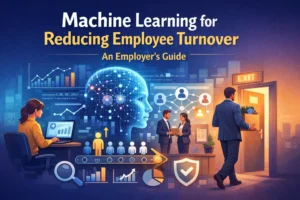
Machine learning algorithms analyze patterns in employee data to identify turnover risk factors. The technology examines historical information about employees who left and those who stayed, finding correlations that predict future departures.
Key data points include tenure patterns, attendance records, performance metrics, compensation history, schedule preferences, and commute distances. The algorithm weighs these factors based on their predictive power in your specific workplace, generating risk scores for current employees.
Unlike gut feelings or simple rules, machine learning considers hundreds of variables simultaneously and updates its predictions as new data becomes available. This sophistication delivers more accurate turnover forecasts than traditional methods.
Warning Signs Machine Learning Detects
Changes in attendance patterns. Employees considering departure often show subtle attendance shifts—more sick days, increased tardiness, or changes in overtime willingness.
Performance fluctuations. Declining productivity, reduced engagement with training opportunities, or decreased participation in team activities may signal disengagement.
Tenure milestones. Certain employment anniversaries correlate with increased turnover risk. Machine learning identifies which milestones matter in your organization.
Market conditions. When competitors announce hiring or when local unemployment drops, turnover risk increases across the board. Machine learning factors in these external conditions.
Taking Action on Turnover Predictions
Predictions only help if you act on them. Pennsylvania employers using machine learning for retention take several approaches:
Proactive conversations. When an employee shows elevated risk, managers can check in before problems escalate. Often, simple issues like schedule conflicts or minor frustrations can be resolved when addressed early.
Targeted retention offers. For high-value employees showing flight risk, employers can offer raises, promotions, or improved conditions proactively rather than waiting for resignation letters.
Workforce planning adjustments. When turnover predictions suggest upcoming departures, employers can begin recruiting in advance. Working with a staffing agency like Onsite Personnel ensures qualified replacements are ready when needed.
Need help building a stable workforce in Pennsylvania? Contact Onsite Personnel for retention-focused staffing solutions.
Using Machine Learning for Better Hiring
The same technology that predicts turnover can improve hiring decisions. By analyzing which employee characteristics correlate with long tenure, machine learning helps identify candidates more likely to stay.
For direct hire positions, this means selecting candidates with characteristics that predict long-term success in your specific environment. For temporary staffing and temp-to-hire arrangements, it means converting the right temporary workers to permanent roles.
Industries Where Turnover Prediction Matters Most
Warehouse and packaging operations often experience high turnover. Reducing departures by even small percentages delivers significant savings in recruiting and training costs.
Food production facilities investing heavily in food safety training benefit from retaining trained workers longer. Each departure means repeating that training investment.
Pharmaceutical and electronics assembly employers with skilled positions see especially high turnover costs. Retaining experienced workers maintains quality and productivity.
Reduce Turnover with Smarter Insights
Machine learning transforms turnover from an unpredictable cost into a manageable challenge. By predicting which employees are at risk and why, Pennsylvania employers can take proactive steps to retain valuable workers and reduce the constant cycle of hiring and training.
At Onsite Personnel, we help employers across Philadelphia, Reading, Allentown, and Scranton build stable workforces. Our screening processes focus on identifying candidates likely to succeed long-term in your environment. When you need workers for printing and packaging, manufacturing, or logistics, we deliver candidates selected for retention as well as skills.
Build a Stable Workforce
📞 Call: 1-800-281-4705
🌐 Online: onsitepersonnel.com/contact-us
📍 Serving Pennsylvania: Philadelphia • Reading • Allentown • Scranton
Frequently Asked Questions
1.How does machine learning predict employee turnover?
Machine learning analyzes patterns in employee data—attendance, performance, tenure, and other factors—to identify characteristics associated with employees who leave versus those who stay. It uses these patterns to score current employee turnover risk.
2. How accurate are turnover predictions?
Accuracy improves with data quality and quantity. Organizations with good employee data typically see predictions significantly better than random chance, allowing meaningful intervention with at-risk employees.
3. What data is needed for turnover prediction?
Historical employee data, including tenure, attendance records, performance metrics, compensation history, and demographic information. The more complete the data, the more accurate the predictions become.
4. Can small employers use turnover prediction?
Machine learning works best with larger datasets. Small employers may not have enough data for custom models, but can benefit from industry benchmarks and general retention best practices.
5. How should managers respond to turnover risk alerts?
With proactive engagement. Have genuine conversations about career goals, satisfaction, and any issues. Address problems when possible. For valuable employees, consider retention offers before they start job searching.
6. Can machine learning improve hiring decisions?
Yes. By identifying characteristics associated with long tenure in your organization, machine learning helps screen for candidates more likely to stay. This improves hiring quality and reduces future turnover.